Strategic Silence
So, you talked yourself out of sale? Here’s how to make sure it doesn’t happen again.
By Miles Hall
The shooting sports is a wonderful industry because we get paid to do something we love. That is why our guests come into the store seeking out your advice and guidance. They know you truly love what you do, and while you are doing it you are also building lasting and meaningful relationships. It’s also why other folks want to work in your operation; it’s where they can bring their excitement, knowledge, and opinions to create a complete customer experience.
This convergence can lead to great success, but only if the staff is trained and educated properly by you. And one key bit of training is knowing when not to talk. We’ve all seen what happens when an over-opinionated excessive talker turns off the guest.
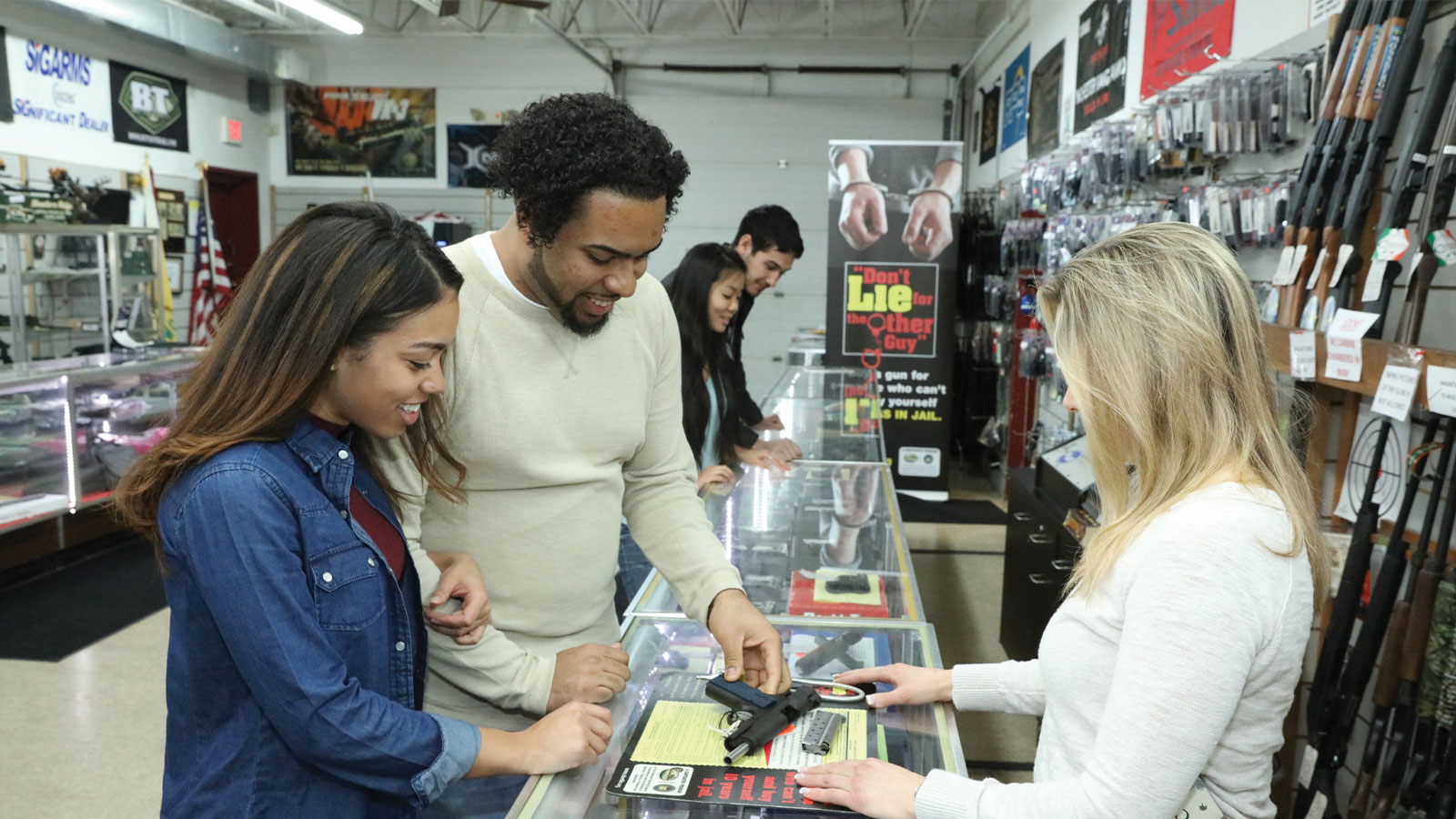
Over the years of our consulting we have witnessed many sales folks talk themselves right out of a sale. One operation we visited had a counter salesman who was the poster boy of what not to do, look, or say. This young man was completely decked out: he had a holstered gun on one hip, another on his thigh. A tactical rifle with all the cool extras available at the time was slung across his back, and a large knife and flashlight hung off a duty belt. The guest was a casually dressed man who we later found out was looking to get his first gun for personal protection. The gentleman came into the store taking in all the sights, sounds, smells, and was clearly anxious. As he made his way tentatively toward the glass cases where the firearms resided, but hesitated when he saw the salesman in full accoutrement. We continued to watch, and the next several minutes went from challenging to impossible. The guest quickly disengaged and headed toward the exit. Luckily, the owner had also witnessed this and caught him before he got out the door. Under the owner’s guidance, the new customer bought his first gun, along with ammo, cleaning supplies, a case, and a membership to the range.
You must always bear in mind that first-time buyers are often nervous. If your presence and/or attitude raises the temperature, you can lose them fast. Your job is to make them feel comfortable and guided, not overwhelmed.
In another operation we had an older team member working with a very petite young lady. The salesman did ask a few questions, but clearly did not listen to her answers. This salesman was a very intense and loud believer in 1911-style pistols. He went off on the historical aspects and then placed several guns on the counter. They were all large pistols, way too large for this young lady. She kept listening, trying to take in the data he was touting, and then asked which one would be best for her. This sent him into overdrive. He grabbed the most expensive model (which also happened to be the largest). Holding it up in the air, he pulled and locked the slide back, putting on quite the show in the process. He then handed it to her. She clearly had never held such a large pistol and promptly dropped it on the counter. His response was abrupt and non-apologetic. She began to cry and then ran toward the door. Sale lost.
It does not matter how much you know if you do not listen. If you ignore the guest’s needs and push your preferences, you risk embarrassing them and turning what should be a positive experience into a nightmare.
To avoid talking yourself out of a sale, focus on active listening. Ask strategic questions, which can help you gain an understanding of the guest’s needs. Then use strategic silence rather than jumping in with features. A fun way to remember this is to be like a cat (observe and stay calm), not a dog (eager and too loud). Listen! You are building trust by focusing on their world, not just the products you are selling. Pay attention to cues, such as body language (leaning in versus crossing arms), and unspoken needs. Do not just wait for your turn to talk. Ask open-ended questions. Words like what, how, and why get the guest talking about their challenges and goals, keeping the focus on them. Briefly repeat back what you hear to confirm understanding before offering a solution. Strategic silence is very important; it shows you value their input and gives them time to think, preventing you from filling the void. Be clear and concise. Trim your talking points to the most essential value propositions. Do not overwhelm them with too many features. Stay present. Avoid overthinking or planning your next line. Focus on the current moment and their feedback.
Another solid tool is to sell to yourself first. Believe in your product’s value, so you do not project doubt or neediness onto the guest. Don’t push. Instead, guide. Folks love to buy, but hate to be sold. Your job is to guide them through the decision, not force a sale, ensuring a positive experience even if they don’t buy today.
The Simple Truth is your job is to build a relationship that promotes the best item for your guest, the one that serves their needs best.
Author’s Note: I have been so blessed to hear from many of the readers of SHOT Business. Judging from the responses, this column has helped educate (and entertain) a great number of you. This issue’s topic was encouraged by reader comments. Please continue to reach out with suggestions for topics you would like me to cover in future issues.

Author bio: Miles Hall was founder and president of a multi-million-dollar firearms retail store and gun range in Oklahoma for 36 years. He is now a senior advisor helping FFL dealers around the country run more efficient, profitable, and impactful businesses. (miles@hallnhall.com)